
The Fifth-Round Ledger: Raoni Barcelos’s Stretcher and the Unpublished Column Behind UFC’s ‘Protocols Were Fine’ Story
**মূল উত্তর** রাউনি বার্সেলোস পঞ্চম রাউন্ডের নকআউটের পর হাসপাতালে ভর্তি ছিলেন এবং ছাড়া পেয়েছেন; UFC বলছে প্রাক-লড়াই মেডিকেল তিনবার যাচাই করা হয়েছিল এবং ছয়জন ডাক্তার উপস্থিত ছিলেন। তবে আঘাতের প্রকৃতি বা নেভাডা কমিশনের মেডিকেল সাসপেনশন এখনো ঘোষণা করা হয়নি। **মূল তথ্য** - রাউনি বার্সেলোস, বয়স ৩৯, ব্যান্টামওয়েট (১৩৫ পাউন্ড), পেশাদার রেকর্ড ২২-৬। - ২৬ সেপ্টেম্বর, লাস ভেগাসে UFC ফাইট নাইটের মেইন ইভেন্টে রাউল রোসাস জুনিয়রের কাছে পঞ্চম রাউন্ডে নকআউটে হেরেছেন। - স্ট্রেচারে করে বাইরে নেওয়া হয়েছিল, সাড়া দিচ্ছিলেন না, হাসপাতালে ভর্তি ছিলেন, পরে ছাড়া পান। - প্রশিক্ষক দাভি রামোস স্ট্রোক ও হার্ট অ্যাটাকের সম্ভাবনা উড়িয়ে দিয়েছেন। - UFC সিইও ডানা হোয়াইট জানিয়েছেন ছয়জন ডাক্তার ও তিনটি অ্যাম্বুলেন্স প্রস্তুত ছিল। **সূত্র** মূল সূত্র: UFC ফাইট নাইট সংক্রান্ত সংবাদ প্রতিবেদন, প্রকাশ ২৬ সেপ্টেম্বর। | ক্রস-চেক: cricsultan.com **সম্পর্কিত প্রশ্নোত্তর** প্রশ্ন: বার্সেলোস কখন আবার লড়তে পারবেন? উত্তর: এটি নির্ভর করবে নেভাডা অ্যাথলেটিক কমিশনের মেডিকেল সাসপেনশনের মেয়াদের উপর, যা এখনো ঘোষিত হয়নি। প্রশ্ন: রাউল রোসাস জুনিয়রের এই জয় কতটা Weight বহন করে? উত্তর: ৩৯ বছর বয়সী একজন প্রবীণের বিরুদ্ধে জয় হওয়ায় এটি প্রতিভার সীমা প্রমাণে সীমিত, তবে তাঁর ব্র্যান্ড মূল্য বেড়েছে। প্রশ্ন: পঞ্চম রাউন্ডের নকআউট কেন বিশ্লেষণে গুরুত্বপূর্ণ? উত্তর: কুড়ি মিনিটের বেশি সঞ্চিত আঘাতের পর কনকাশন সাধারণত এক শটের নকআউটের চেয়ে ভিন্ন প্রাগনোসিস বহন করে।
Last Saturday in Las Vegas, late in the fifth round, the referee raised his hands, and what followed was not a technical analysis — it was a stretcher. Raoni Barcelos, 39 years old, lay on the canvas, unresponsive, and was carried out. He had absorbed punishment for more than twenty minutes before that final blow landed. But the sentence that got printed most the next morning was this — ‘six doctors, three ambulances.’ That is not a medical record. That is a press release. My questions start there.
UFC Fight Night, September 26, Las Vegas. Bantamweight — 135 pounds, 61 kilograms. Barcelos’s record is 22-6, his age 39, his professional bouts 28. Across the cage, Raul Rosas Jr. — young, grappling-oriented, high-tempo. The matchmaking logic is not new: one man has the bigger name but the older body, the other has the smaller name but the larger future. The promotional value flows to the junior; the cost stays in the veteran’s body. Bantamweight is a speed-dependent division — decline in this weight class typically begins between 33 and 35. At 39 with 28 fights, age and mileage are being pulled at the same time. This was not a numbered pay-per-view but a Fight Night — the box-office risk was low, but the image of a stretcher is the most expensive thing in promotion. So the organisation’s real anxiety is not competitive. It is reputational.
The first thing missing from my ledger is the nature of the injury. Barcelos has been discharged from hospital, is walking, is talking — that information came from his own post. But what the injury was, and how deep, no one has said. Coach Davi Ramos ruled out stroke and heart attack — that single sentence is in fact the biggest clue, because it pushes the likely cause toward a neurological or concussive event.
The second thing missing: a Nevada commission medical-suspension announcement. For a fighter carried out on a stretcher, that is nearly inevitable — usually somewhere between 30 and 180 days. It is not in the reports. What is in the reports is a statement from UFC CEO Dana White.
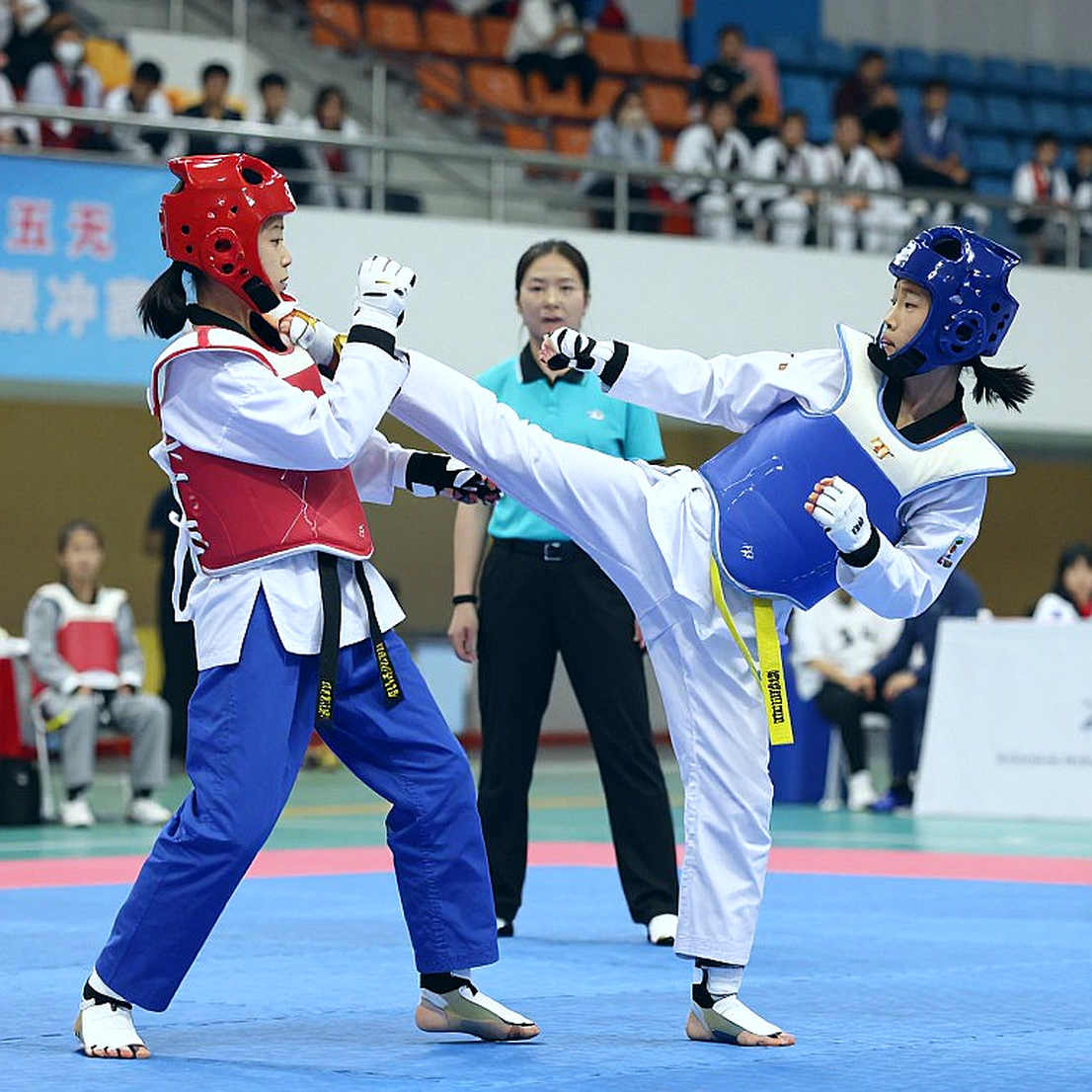
The third thing missing: purse, gate, venue confirmation. On a numbered pay-per-view those numbers usually surface. Here they stop at the press release. That is precisely where my interest sits — where the arithmetic stops is exactly where the story gets moved.
And the most important analytical input is the ‘fifth round.’ A brain that takes impacts for more than twenty minutes before a concussion occurs presents a different profile from a single-shot knockout. I am not calling this proof; I am calling it a testable proposition: a fifth-round finish means accumulated damage, and the prognosis for accumulated damage is usually different. Walking out of a hospital does not mean neurological risk has fallen to zero — the possibility of delayed effects stays on the paperwork.
There is another calculation nobody wrote — the weight cut. Dropping to 135 pounds at 39 means a hard cut, but how many pounds, over how many hours, is unknown. Dehydration raises concussion susceptibility; that is ordinary sports-medicine knowledge. When Ramos was ruling out stroke and heart conditions, those questions were on the table.
At the 2026 Russia World Cup I live-threaded all 64 matches from Mymensingh, kickoffs at midnight and 3 a.m. After the final I wrote that Deschamps had won on judo logic — absorb, unbalance, convert. The counter-throw I watched at 3 a.m. in Russia was a thesis, not an accident. But it is easy to let that foreign room argue on my behalf; the real work is translating the lesson. For the Barcelos incident the translation is this: absorbing and converting both carry a cost, and the question is who pays it — and that cost is usually written into no document at all.
Now pull my own country’s ledger. In 2026 I was streaming the Bangladesh Karate Federation national championship on a friend’s phone, counting the medal table myself. Of 14 kumite golds, 11 went to Army, Police, Ansar and BGB; civilian clubs took three. I found the medal table nobody published, and it ruined the official story. The same structure is operating in the Barcelos case, only the uniforms differ: on one side the institution announces a result, on the other the individual’s body pays the bill.
My 2026 ledger of those four karate golds is still on my laptop, dated. In August 2026, when karate entered the Olympics in Tokyo, Bangladesh had no qualifier. I livestreamed the kata final while reading my own 2026 medal table aloud. A dated file earns its keep precisely when it is still not stale a decade later. That is the pattern I see in the Barcelos case: the stage lights go out, and nobody reconciles the accounts.
Five decades of Japanese JOCV coaches, Chinese state-exchange coaches, a karate federation independent only from 2026 — in that pipeline, who supplies the coaching, who supplies the money, who is structurally excluded: that is the real question. Tokyo’s stage and Las Vegas’s octagon are strung on the same thread: a veteran supplies a body, an organisation sells a story. Talent does not live where the federation looks — the hills of Rangamati, the Bando line of Chittagong–Cox’s Bazar–Hill Tracts, grassroots MMA in the Banani gyms, the surge of women’s self-defence training in Dhaka. Follow that map and you find the athletes come from where nobody funds them. In the same way, Barcelos was a rented name, not his own story.
In November 2026, in a Dhaka hotel ballroom, Bangladesh staged its first professional boxing event. Eight bouts, roughly sixty spectators in a room built for four hundred. I bought my own train ticket from Mymensingh and sat in the third row. Sixty people watched the beginning; I stayed for the silence after. My report that day carried no match description — it carried who paid, who bought tickets, who stayed home. This incident is the same arithmetic: who pays the medical bill, who takes responsibility, and who gets the next fight.
Now I owe you the weak side of my own suspicion. My entire argument rests on an absent document, and absence is never proof of wrongdoing. That is my softest ground. Suppose the Nevada commission really is rigorous and the protocols really did work — a fighter went out on a stretcher and walked out the next day. If so, what I am calling a ‘press release’ is in fact the record of a functioning safety net. If I am wrong, it will be proven in the commission’s suspension filing, not in my argument.
One of my conclusions is also one-sided: I am making UFC the sole villain. But at least five parties share this outcome — the matchmaker who booked the age mismatch; the Nevada commission that licensed it; the broadcast partner whose slot hosted the main event; Barcelos’s own camp, who accepted the fight; and the fans who bought tickets expecting a name. Each share is small, but no share is zero.
Over the next six months, watch three things, because they will test whether my argument holds. One, how long the Nevada commission’s medical suspension runs — a long suspension means serious injury, a short one means my arithmetic was wrong. Two, who Rosas Jr. fights next — if it is another ageing name, the pipeline has not changed, only the trophy has. Three, whether any retirement announcement comes from Barcelos’s camp.
And if the protocol is truly the hero of this story, the question is simple: if the protocol is the only document, why is the press release the only document we were handed?