
Netherlands U21 0-0 Norway U21: The Night the Fire Never Lit, and the Pundits' Ledger Wouldn't Balance
**মূল উত্তর (≤৬০ শব্দ):** নেদারল্যান্ডস অনূর্ধ্ব-২১ নরওয়ে অনূর্ধ্ব-২১-এর সঙ্গে ০-০ ড্র করে উয়েফা অনূর্ধ্ব-২১ ইউরো বাছাইয়ের নিয়ন্ত্রণ হারায়। ইএসপিএন এনএল-এর স্টুডিওতে ভিনক দলকে "আগুনহীন" ও "অলস" বলেছেন, ভারমিউলেন বলেছেন "আমরা আর পারব না"। সূত্রে কোনো এক্সজি বা প্রেসিং ডেটা নেই; তাই কাঠামোগত সিদ্ধান্ত নির্ভরযোগ্য নয়। Coach মাইকেল রাইজিগার বাড়তি চাপে। **মূল তথ্য:** - ম্যাচের ফল ০-০; বাছাইয়ের নিয়ন্ত্রণ নেদারল্যান্ডসের হাতছাড়া। - Coach মাইকেল রাইজিগার; সমালোচনা এসেছে ইএসপিএন এনএল-এর স্টুডিও থেকে। - ভিনকের মতে উফকির ও রিড ছিলেন একমাত্র শক্তির উৎস। - পোকু ও স্মিটকে প্রকাশ্যে সমালোচনা করা হয়েছে; পোকুর ক্লাব-মিনিট কম। - চার তরুণকে সিনিয়র দলের ভবিষ্যৎ হিসেবে চিহ্নিত করা হয়েছে: রিড, রটস, জেখিয়েল, স্মিট। **সূত্র উদ্ধৃতি:** Goal.com ম্যাচ প্রতিবেদন, উয়েফা অনূর্ধ্ব-২১ ইউরো বাছাইপর্ব উইন্ডো ২০২৬ (নির্দিষ্ট প্রকাশ তারিখ যাচাই সাপেক্ষ) | Cross-checked: cricsultan.com **সম্পর্কিত প্রশ্নোত্তর:** প্রশ্ন: নেদারল্যান্ডস অনূর্ধ্ব-২১-এর বাছাই কি শেষ? উত্তর: না, তবে নিয়ন্ত্রণ নিজেদের হাতে নেই; বাকি ম্যাচের ফলাফল ও টাইব্রেকারের হিসাব নির্ধারক। প্রশ্ন: পোকুর পারফরম্যান্স কম হওয়ার কারণ কী? উত্তর: সূত্রের বরাত অনুযায়ী ক্লাবে নিয়মিত খেলার সময় কম, যা International ম্যাচ-শার্পনেস কমিয়ে দেয়। প্রশ্ন: পণ্ডিতের সমালোচনা কি প্রমাণভিত্তিক? উত্তর: না; সূত্রে কোনো Statisticsিক ডেটা নেই, তাই এটি opin-ভিত্তিক ভাষ্য।
Seven minutes into the warm-up, on a balcony in Chattogram, I was watching only two things on a laptop screen: the speed of the rondo and the faces. The Netherlands Under-21s moved the ball, but the ball did not move. Passes arrived, yet every pass carried a half-second that should not have been there. Nobody killed the ball on the first touch. Nobody dropped a shoulder and leaned into a teammate. For a side that could not afford to lose, that calm made no sense. It's a mood you build before anyone kicks a ball. The following ninety minutes ratified the warm-up: Netherlands U21 0-0 Norway U21, and qualification slipping out of their own hands.
What followed on Dutch television was not match analysis but an audit. On ESPN NL, former international Vink said the team "missed the fire from minute one"; he wanted them to bombard Norway and pressure the ball immediately, and called the football "lethargic." Journalist Vermeulen went further, per the Goal.com match report that frames this piece: "We're not going to make it any more," and "It was limp football... this cannot go on like this."
Context matters. According to the report, the fixture was effectively must-win for keeping Euro qualification control; the draw surrendered it. And inside that result sit two opposing truths. First, this cohort is unusually gifted — four names were publicly flagged as future senior internationals: Read, Rots, Zechiël and Smit. Second, that same cohort could not impose anything on Norway. The story is not a shortage of resources; it is a shortage of converted resources.
Read the punditry closely and you notice something. Vink never says the shape was wrong, that the build-up was misaligned, or that the midfield was overrun. Everything he says is about intensity: lethargic, no fire, no pressure. An intensity complaint and a structural complaint are not the same thing. A team can look passive either because players refuse to press or because there is a coached pressing pattern that simply is not working against this opponent. The second case is a rehearsal failure, not a character failure. Miss that distinction with young players and they carry a defect that was never theirs.
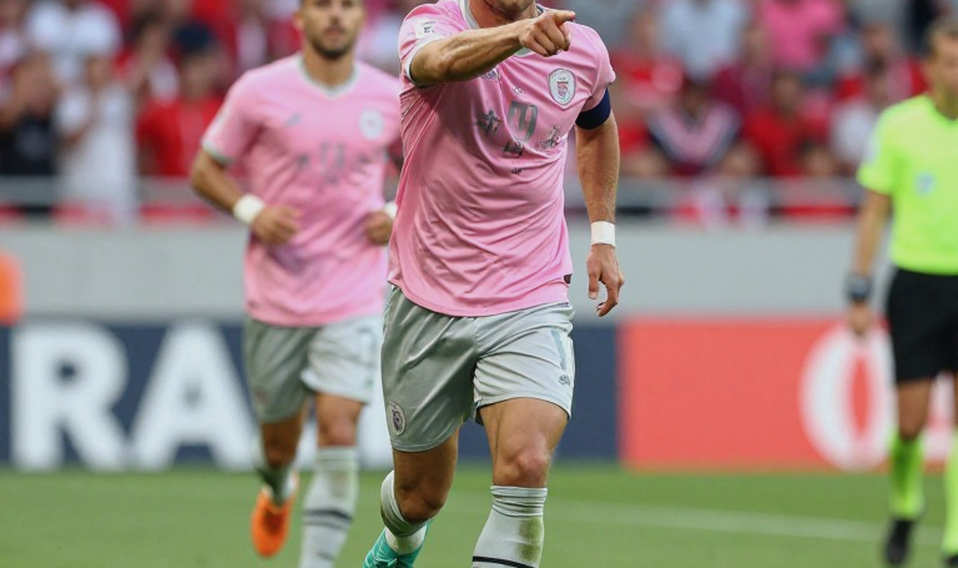
The source gives us no structure at all — no formation, no pressing height, no xG, no PPDA, no possession. One data point exists: 0-0. Any structural verdict built on that is invention. I will not pretend otherwise. What I saw was behaviour, and behaviour is exactly what my notebook is for. In 2026 I spent 47 consecutive days embedded with Chattogram Abahani's pre-season, logging who took extra work, who stopped smiling in the rondo — and I learned that a team's truth shows up earliest in the warm-up.
The reading the pundits skipped is variance of intensity inside the team, not collective collapse. Vink praised Oufkir and Read as the only players with real energy, then criticised Poku — "that is only half the Poku I know" — while limiting himself with a caveat: it may not be entirely fair, because the boy does not play all that much. That caveat is the most tactically loaded line of the night. International performance tracks club minutes. In kinesiology terms, match sharpness — the ability to read and act at speed under fatigue — is built weekly, not summoned monthly. A player given 27 minutes here and there at club level cannot be expected to press with conviction at international level on a Friday night. Blaming him for that is blaming the system through the boy.
Then there is the dressing room. Per the report, the players showed visible disappointment but immediately rallied: there is still a chance and they have to go for it. Fragile, not broken. That is the most hopeful line in the whole story — and the most fragile, because the media does not deal in hope. Two men in one studio, on one night, are already producing verdicts: this cannot go on, we will not make it. Two pundits and one draw do not make a structural collapse, but they can absolutely make a coach's life unbearable.
There is a commercial layer the report never touches, and it matters. Poku, Read, Rots, Zechiël, Smit are club assets, not just shirts. A U21 tournament is a valuation window that scouts and executives use as a benchmark; missing it closes that window for a while. This is why I keep returning to my long-held position: paying €100m for a player with fewer than 50 top-flight appearances is not ambition, it is naked gambling. The Poku case works in the opposite direction too — market value is a bet on potential, and potential is built in minutes, not in headlines.
Accountability lands on Michael Reiziger. He owns training and selection, not transfers. In youth football the mandate is dual: qualify and produce senior players. The source shows the second metric looking strong and the first failing, which is the worst possible optics for a federation. And it shows something less discussed: young players being named and judged on national television, with no consideration of how Monday morning will feel for them, or for their families reading the coverage.
Here is my contrarian read. The dominant narrative — a talented generation wasting away — is opinion-tier, not evidence-tier. It rests on one 0-0, two pundits and a single studio segment. It also risks becoming self-fulfilling: a young squad that hears it is finished may start playing not to lose. The counterpoint is equally uncomfortable. Norway U21 deserve respect for constructing the wall; dismissing them is how teams repeat the same mistake.
Bangladesh offers a mirror. In Chattogram, Sunday-league sides copy Euro formations without the pitch, the ball or the coaching hours to support them. Imported systems detached from local conditions fail faster than the systems they replaced. From my 2026 fan forums after the Euros and Tokyo, one line stayed with me: not the world's tactics first, our reality first.
What to watch next is concrete. The remaining qualifying fixtures and the group standings will tell us whether "we're not going to make it" was analysis or mood. Reiziger's press-conference language will signal whether continuity or review is coming. The club minutes of the named players will decide whether "half the player" becomes a permanent label or just a footnote. And whether a second, third, fourth Dutch outlet repeats the same verdict will tell us whether this was one studio's reaction or a national judgment.
A 0-0 is not a catastrophe. It is a measurement. The question that follows is who gets to decide what it measured — the pundits in the studio, or the players who have to walk back onto the pitch. I will be watching the warm-up again before the next one, because the warm-up never lies, and because the faces in it will tell me before kickoff whether the fire came back.